Warehouse Throughput: The Hidden Bottleneck in Logistics — and How Syntask Turns Complexity Into Clarity

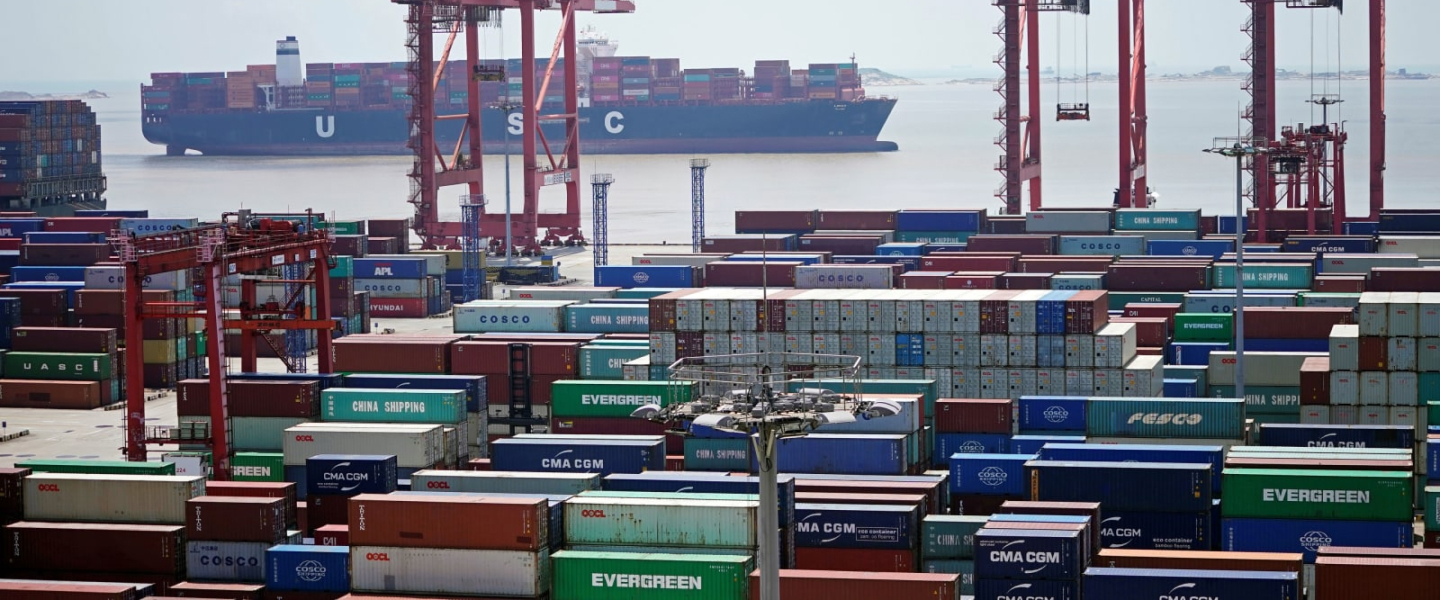
Warehouses are at the center of every logistics operation. They connect inbound flows, outbound flows, storage, labor, equipment, and customer demand into one continuous ecosystem. Yet despite their critical role, warehouse performance often remains unclear, fragmented, or misunderstood.
Most organizations know the symptoms:
- congestion during peak hours
- inconsistent picking times
- slow put-away processes
- inventory sitting longer than expected
- high overtime labor
- delayed outbound loading
- lost visibility into what caused the slowdown
These issues affect cost, service quality, and workforce efficiency — yet they are rarely measured with enough precision. Through Syntask’s warehouse intelligence engine, companies gain immediate visibility into throughput, flow efficiency, bottlenecks, and inventory turnover without relying on manual spreadsheets or complex BI models.
Why Warehouse Performance Is Difficult to Analyze
Warehouse operations contain multiple moving parts, each influencing the next. Unfortunately, most companies do not have a unified view of how these interactions impact overall throughput.
1. Multiple Operational Layers Create Complexity
A single warehouse shift involves:
- receiving
- put-away
- picking
- replenishment
- packing
- staging
- loading
Even one delay can cascade into the rest of the flow. Traditional BI tools require complex data modeling to understand this sequence.
2. Inconsistent or Fragmented Scan Data
Many warehouses rely on:
- barcode scanners
- WMS logs
- spreadsheet-based task lists
- manual inputs
Different departments may record timestamps differently, making performance analysis inconsistent. Syntask solves this by standardizing all timestamp data automatically.
3. Bottlenecks Often Hide in Micro-Processes
Not all delays are visible.
Examples:
- picking cart shortages
- slow replenishment cycles
- blocked aisles
- overloaded staging areas
- uneven labor distribution
These micro-factors are hard to capture through traditional reporting.
4. Manual Analysis Is Slow and Prone to Error
Analysts spend hours merging:
- WMS exports
- labor schedules
- shift reports
- SKU movement logs
By the time the dashboard is ready, the data is outdated. Syntask eliminates this delay by automating the entire process.
The True Cost of Poor Throughput Visibility
When warehouse performance is unclear, companies experience:
• Operational delays and missed cut-off times
Outbound trucks leave late due to unseen upstream problems.
• Excessive labor cost
Overtime increases when tasks are not balanced efficiently.
• Inventory congestion
Slow-moving items block fast-moving ones.
• Declining customer satisfaction
Delivery accuracy and timing suffer.
• Reduced capacity for scaling
Warehouse leaders cannot plan staffing, layout, or workflows confidently. A warehouse with no visibility becomes a bottleneck factory.
How Syntask Improves Warehouse Throughput and Inventory Flow
Syntask is designed for logistics networks, which means warehouse analysis is not a generic BI project — it is a structured intelligence layer ready for operational use.
Companies can upload Excel/WMS exports or choose full API integration. Either way, insights become available in minutes.
1. Automated Flow Reconstruction (Inbound → Put-Away → Picking → Outbound)
Syntask reconstructs the warehouse workflow from raw data by detecting:
- process start and end times
- delays between processes
- overlapping tasks
- idle zones
- SKU movement sequences
This creates a clear visual timeline of warehouse operations.
2. Throughput KPIs With No Manual Setup
The platform calculates:
- throughput per hour
- throughput per shift
- pick rate per operator
- put-away cycle time
- inbound-to-shelf duration
- outbound processing time
- SKU movement velocity
- queue delays
All KPIs follow a unified logic, eliminating inconsistency.
3. Inventory Turnover Intelligence
Syntask analyzes:
- days on hand
- SKU velocity
- overstock zones
- slow-moving inventory
- demand-pattern mismatches
- product family turnover differences
This allows more accurate replenishment planning and warehouse slotting.
4. Bottleneck Detection and Cause Identification
The system highlights:
- tasks that exceed standard times
- congested zones
- inefficient routes inside the warehouse
- inconsistent picking performance across teams
- delays caused by equipment or layout
Syntask explains not only where the bottleneck is, but why it happened.
5. Workforce and Equipment Efficiency Insights
Syntask measures:
- labor productivity
- task distribution fairness
- workload balance
- equipment utilization patterns
Companies can align staffing with actual operational needs.
6. Chat Agent for Instant Answers
Users can ask:
- “Why is outbound loading delayed today?”
- “Which SKU category caused congestion this week?”
- “Show me picking performance by operator.”
Syntask responds with:
- breakdowns
- charts
- explanations
- highlighted patterns
All without building a dashboard manually.
Measurable Benefits for Warehouse Operations
Syntask delivers significant operational gains:
• 25–40% throughput increase
Better flow, reduced congestion.
• Up to 50% reduction in picking time variability
More predictable shift performance.
• 20–30% improvement in inventory turnover
SKU-level clarity.
• Up to 90% less time spent on reporting
Automated insights instead of manual BI analysis.
• Better labor allocation
Staffing matches real demand.
Through precise flow analytics, companies achieve smoother warehouse operations and more reliable distribution performance.
Conclusion
Warehouse throughput and inventory turnover are among the most overlooked drivers of logistics performance. Traditional BI tools struggle to provide actionable visibility because they require heavy modeling, fragmented data cleanup, and manual KPI creation.
Syntask removes this complexity by offering a warehouse intelligence engine that reconstructs flows, detects bottlenecks, and reveals true performance patterns in minutes. From inbound to outbound, every step becomes measurable, understandable, and optimizable.
Syntask enables warehouses to operate with clarity, consistency, and confidence.