
Last-Mile Visibility: Why Distribution Networks Still Struggle With Delays and Exceptions — and How Syntask Brings Clarity in Minutes

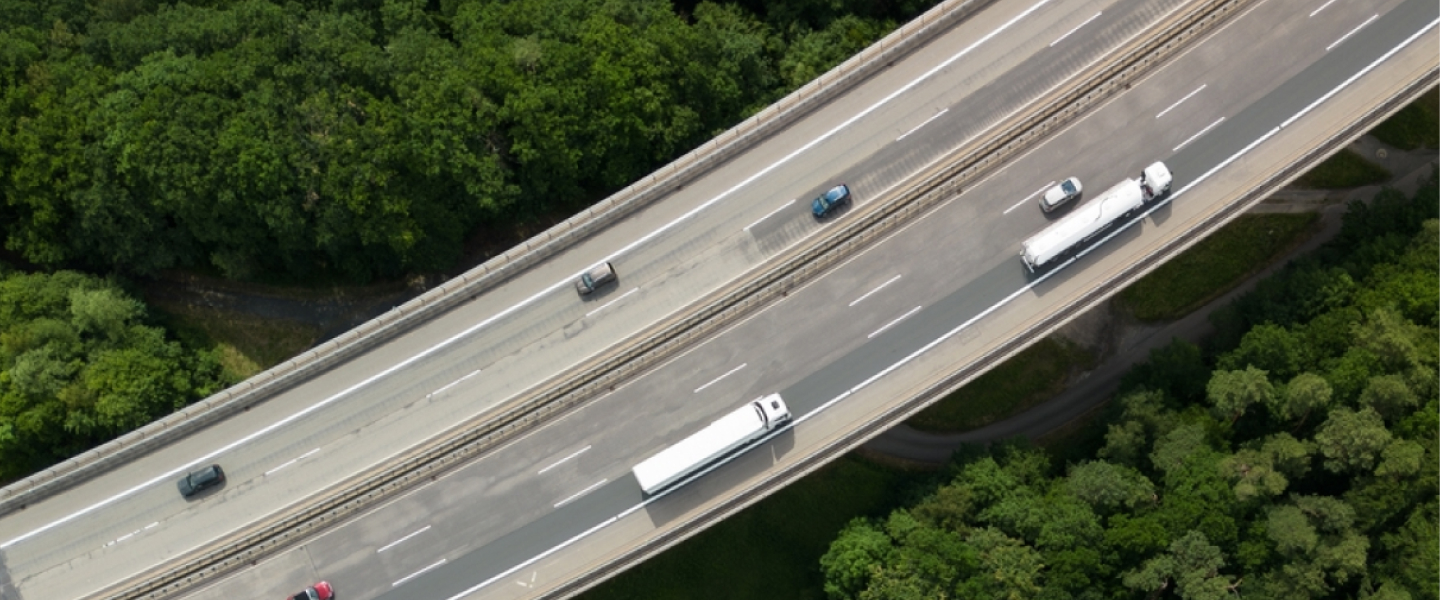
Last-mile delivery is the most unpredictable, customer-sensitive, and cost-intensive stage of the logistics chain. Despite massive investments in systems, telematics, and tracking tools, many logistics companies still face the same obstacles: late deliveries, unexpected route changes, lost visibility, and a constant stream of exceptions that disrupt planning.
The last mile accounts for more than 40% of logistics cost in many networks. Yet ironically, it is also the least understood part of the process. Companies know what was delivered, but very few know why delays occur, where time is lost, or how specific patterns repeat.
Syntask’s logistics intelligence engine solves this by providing instant visibility into last-mile operations, enabling companies to understand exceptions, prevent failures, and improve delivery experience without manual effort.
Why Last-Mile Visibility Is Still a Challenge
Even with advanced route tracking and digital tools, most companies struggle to gain meaningful visibility into last-mile operations because the process is inherently complex and dynamic.
1. Fragmented, High-Volume Data Without Context
Last-mile operations generate:
- GPS points
- photo proofs
- timestamps
- handover signatures
- driver notes
- customer feedback
- stop sequences
However, this data is only useful if properly connected and contextualized. Raw data from telematics systems often lacks:
- geospatial structure
- stop segmentation
- delay categorization
- linked exceptions
Traditional BI dashboards cannot transform raw data into structured insight without substantial manual work.
2. Exception Handling Is Mostly Reactive
Exceptions such as:
- failed deliveries
- no-access points
- traffic congestion
- customer not available
- misplaced parcels
often get discovered after the delivery attempt — not during. Without proactive detection, patterns remain hidden and issues repeat.
3. Delivery Metrics Are Inconsistent Across Regions
Different locations and hubs use different ways to record:
- delays
- failure codes
- waiting times
- route deviations
This makes comparison nearly impossible and limits improvement potential.
4. Manual Reporting Slows Down Operations
Analysts spend hours collecting data, preparing spreadsheets, or building dashboards just to answer simple questions:
- “Why did Route A experience delays today?”
- “Which region reported the most exceptions?”
- “Which drivers have recurring failure patterns?”
Syntask eliminates this manual effort.
The Real Cost of Poor Last-Mile Visibility
When companies lack clarity in last-mile operations, the consequences are substantial:
• Unpredictable Customer Experience
Missed or late deliveries directly damage brand credibility.
• High Operational Cost
Every exception — failed delivery, redelivery, rerouting — increases time and fuel usage.
• Workforce Inefficiency
Drivers and couriers operate without clear feedback or performance insight.
• Ineffective Planning
Managers cannot optimize distribution routes or workforce allocation.
• Limited Ability to Scale
Visibility gaps prevent companies from expanding into new regions efficiently. Last-mile chaos becomes an ongoing cycle unless supported by a structured, intelligent analysis layer.
How Syntask Delivers Instant Last-Mile Visibility
Syntask brings together last-mile data, GPS traces, stop sequences, and exception details into a unified, logistics-focused intelligence platform. Through Excel upload or API integration, companies gain immediate insight without model building or manual processing.
1. Automatic Stop Segmentation and Route Reconstruction
Syntask identifies:
- each stop
- its purpose
- waiting times
- delays
- deviations
- completion pattern
GPS noise is cleaned, and a clear route timeline is created for every delivery trip.
This makes it possible to detect:
- unexpected idle times
- inefficient stop sequences
- high-risk delivery points
- driver-specific behavior differences
all within seconds.
2. Exception Detection and Classification
Syntask automatically categorizes exceptions, such as:
- customer not available
- no-access location
- delivery refused
- unloading delays
- incorrect address
- traffic-related delay
- service-level failures
The platform also measures exception frequency by:
- region
- driver
- customer
- delivery type
- time of day
This structured visibility reveals recurring issues immediately.
3. Real-Time Delay Heatmaps and Performance Maps
Syntask visualizes last-mile performance through:
- delay heatmaps
- stop clusters
- region-level exception concentration
- route deviation indicators
Managers instantly see where time is wasted and why.
4. Driver and Courier Performance Insights
The platform analyzes:
- punctuality
- idle patterns
- rerouting behavior
- service duration
- consistency
This allows companies to identify high-performing drivers as well as those needing training or support.
5. Chat Agent for Instant Explanations
With Syntask’s chat-based analysis engine, users can ask:
- “Why was yesterday’s delivery delayed?”
- “Which routes have the highest exception rates?”
- “Show me regions with recurring redelivery issues.”
Answers include:
- visual charts
- pattern summaries
- root cause explanations
No manual dashboard building is required.
Measurable Impact for Distribution Networks
Syntask helps companies improve last-mile operations in several meaningful ways:
• 30–50% reduction in last-mile delays
Thanks to clear exception visibility.
• Up to 90% time saved in reporting and analysis
No manual BI modeling.
• Higher on-time delivery performance
Better route planning and proactive action.
• Stronger customer satisfaction
Predictable and transparent delivery experiences.
• More efficient driver management
Data-backed coaching and performance insights. By transforming raw last-mile data into structured intelligence, Syntask enables distribution networks to operate more predictably and efficiently.
Conclusion
Last-mile delivery is the heartbeat of logistics operations, but without visibility, it becomes a constant source of cost, delay, and customer dissatisfaction. Traditional BI tools fall short because they require manual modeling, inconsistent KPI definitions, and hours of analysis.
Syntask simplifies everything with a ready-to-use last-mile intelligence engine. From exception detection to driver performance, delay heatmaps, and chat-based insights, the entire last-mile operation becomes measurable and manageable.
The result is clear: faster deliveries, fewer exceptions, lower cost, and a more reliable logistics network.